Building the Workforce You Can't Hire Webinar
08 Jul, 2026
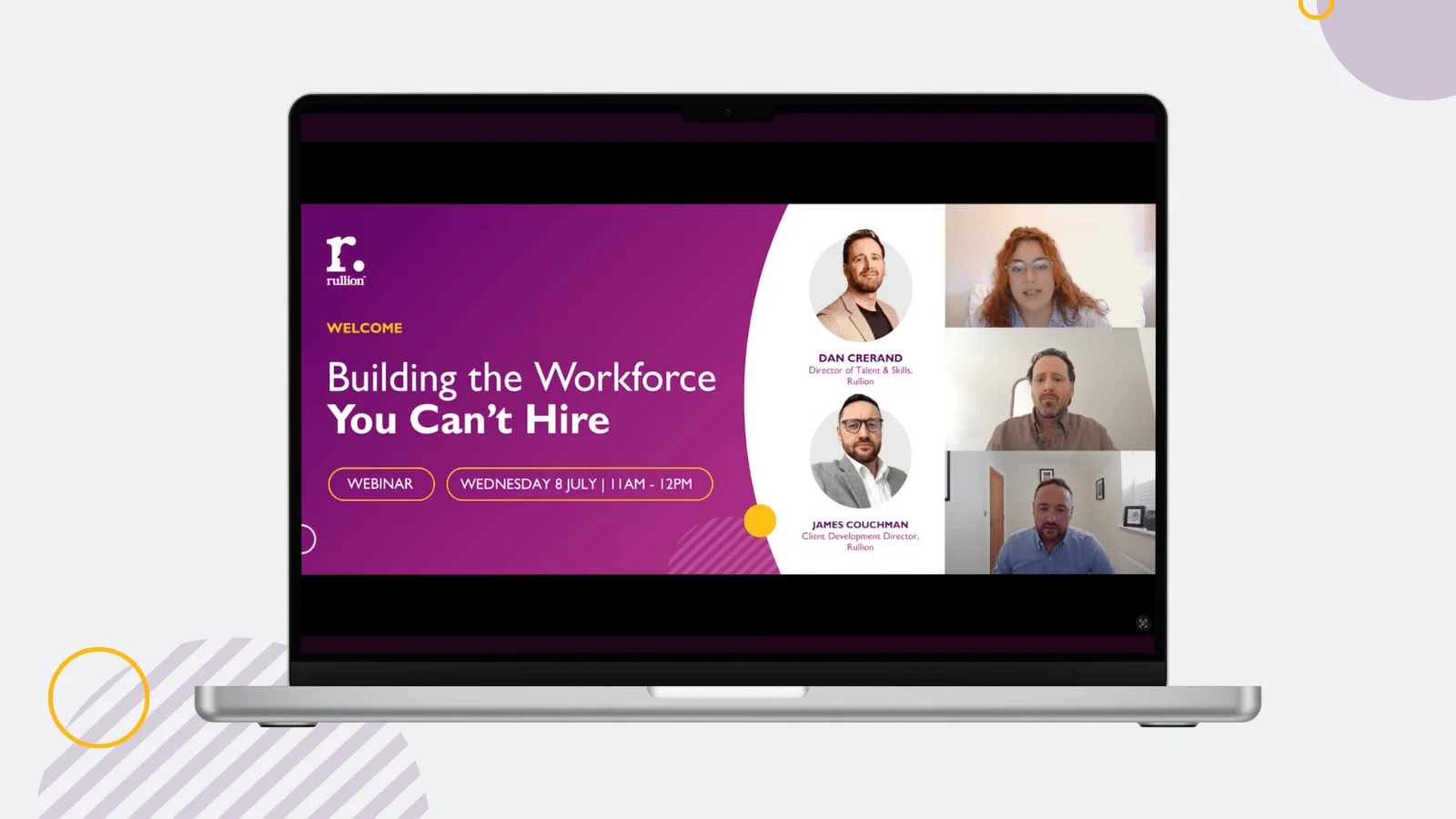



Choosing your first MSP provider is a strategic move that can transform how your business manages its contingent workforce.
For industries like utilities, energy, transport, and nuclear, where compliance, safety, and continuity are non-negotiable, selecting the right Managed Service Provider (MSP) is a significant milestone. And if you’re doing it for the first time, the stakes - and learning curve - are even higher.
This guide will walk you through everything you need to consider when choosing your first MSP provider, from evaluating your business needs to managing change across your teams.
By outsourcing your contingent workforce to an experienced MSP service provider, you benefit from:
Streamlined supplier management
Enhanced workforce visibility and data insight
Improved speed and quality of hire
Compliance with legal, tax, and regulatory requirements
Centralised billing and reporting
An MSP provider offers more than just cost savings. A good one becomes an extension of your business: improving visibility, standardising processes, ensuring compliance, and giving you better control over your contingent workforce management.
These advantages are particularly valuable in critical infrastructure, where agility coexists with rigorous governance.
1. Understand Your Business Needs
Before speaking to any providers, clarify what you want from your MSP. Is it workforce visibility? Faster hiring? Scalability? Reduced risk?
Define your goals so you can assess how well each provider’s MSP solutions align with your strategic objectives.
2. Look for Industry Experience
A first-time MSP implementation requires guidance from experts, especially in highly regulated industries.
Choose a provider that has experience running an MSP for critical infrastructure organisations. Ask for case studies that demonstrate their ability to transition businesses like yours from fragmented PSL (Preferred Supplier List) models to full MSP services.
3. Assess Their Implementation Plan
Your first MSP implementation will involve a significant change: from a multi-supplier model to a single-source solution. That means your MSP provider must have a clear, realistic, and collaborative implementation plan.
Do their timelines make sense?
How much support will they need from your internal teams?
Will they take the lead in planning, onboarding, and change management?
Make sure their plan reflects your status as a first-time MSP adopter. You’ll likely need more time, more support, and more communication than a company switching from one MSP to another.
4. Evaluate Technology Capabilities
A key part of any MSP solution is the Vendor Management System (VMS): a platform that centralises the engagement and management of your contingent workforce.
Ask:
Will the provider guide the setup of workflows and approval chains?
Will they challenge overcomplex processes that could hinder productivity?
Do they have experience advising businesses that are new to VMS platforms?
Going live with a simple, scalable solution is often better than launching with an overengineered system.
5. Prioritise Communication and Support
First-time MSP adoption affects hiring managers, finance, HR, and agency workers alike. Look for an MSP provider that:
Is highly visible during rollout
Assigns named contacts to key hiring sites
Holds onboarding workshops and meets hiring managers in person
Builds trust with existing contingent workers
A well-planned communication strategy can prevent resistance, reduce confusion, and speed up adoption.
6. Review Cultural Fit
<div class="OutlineEl